Death Ball codes and why timing affects value perception
Codes don’t drop daily. Developers attach them to event windows—raid releases, community milestones, patch rollouts, seasonal rotations—and sometimes as compensation for server instability. When a code lands, it isn’t just a giveaway. It’s a synchronized moment. Everyone logs in, redeems, shops, experiments.
There is a psychological arc:
- Code appears
- Players return
- Gem spending spike occurs
- New cosmetics appear in servers simultaneously
- Identity reshuffle happens
That reshuffle is visible. Suddenly everyone looks new again.
The currently active code is simple but impactful:
BANNERSOON — 25,000 gems
One code, massive value. Twenty-five thousand gems is not symbolic padding. It’s real purchasing power, and in Death Ball’s economy, that amount places you directly into upper-tier skins.
Many players think gem count decisions are inventory-based choices. But they’re emotional ones.
What 25K actually unlocks for a new or mid-tier player
If you begin with zero currency, 25,000 gems give access to:
- One high-tier blade effect
- One stylistic character enhancement
- Possibly enough remaining for basic skill icons
If you already have mid-range cosmetics, 25K lets you leap across tiers rather than gradually inch upward. It’s equivalent to skipping multiple login cycles.
Let’s quantify progression using realistic accumulation rates.
Daily reward distribution pattern
| Login Day | Reward Tier | Estimated Gem Yield |
|---|---|---|
| Day 1 | Basic | 250 |
| Day 10 | Intermediate | 1,350 |
| Day 20 | High Tier | 4,900 |
| Day 30 | Premium | 7,500 |
If you chart that curve, a 25K drop equals around 28–32 login days compressed into a single moment. death ball codes compress a monthly progression into a few seconds of verification.
Why daily login isn’t enough emotionally
Daily login rewards are gentle encouragements—but they do not give identity gratification. Logging in for six days just to afford one mid-tier cosmetic feels like collecting loose coins to eventually justify buying something you already saw a week ago. The excitement fades before ownership arrives.
Codes reverse that sensation.
Ownership precedes the grind.
When a player sees their upgraded gear, they decide to stay—not because they want to someday look cool, but because they already do. That is attachment psychology.
Death Ball codes deepen early player retention
Retention curves usually drop off at the seven-day mark. That’s when players decide whether a game feels worth their time. If someone reaches day seven without visual confidence, their interest weakens.
But give them gems on day two? Suddenly the arc extends. Players don’t leave early because they already look invested.
Core motivations that codes satisfy
Death Ball has four major motivators:
- expression
- competitiveness
- belonging
- consistency
Gems affect expression and belonging directly. Competitiveness comes next. Consistency emerges last.
How redemption works—simple flow, meaningful endpoint
Players launch Death Ball, press MORE, open Codes, type, verify, and wait for confirmation. Mechanically trivial. But psychologically, pressing Verify is the anticipation button. It’s a reveal moment, and reveal moments work similar to pack openings, reward boxes, card flips, loot drops, star upgrades, or gacha confirmations.
Time stops for two seconds. You wait. The small flash happens. Currency jumps. Identity changes. The loop is rewarding even before spending.
Why players overspend instantly—and whether that’s wrong
After redeeming death ball codes, most players follow one of three spending patterns:
- instant consumption
- catalog reservation
- analysis waiting
Instant spenders chase novelty. Reservation players keep currency untouched so they can act fast when rotation banners appear. Waiting players approach purchase like investment strategy. Ironically, waiting players often regret nothing because they pick only what feels permanently satisfying.
Instant spenders regret frequently. Catalog collectors regret never. The healthiest approach is a hybrid: spend on one stable cosmetic now, reserve the rest.
Spending targets players gravitate toward
| Purchase Type | Emotional Effect | Cost Range (Approx.) |
|---|---|---|
| Basic color variants | identity starter | 1,400–4,000 |
| Particle blade effects | performance aura | 6,000–12,500 |
| Banner-linked exclusives | prestige / rarity | 18,000–32,000 |
| Limited champion variants | status anchoring | 25,000–40,000 |
Notice how one active code gives access directly to third tier purchasing. That is why redeeming once feels like fast evolution.
Death Ball codes change match preparation psychology
Before spending, players enter matches hoping to improve skill. After spending, they enter matches wanting to test their visual identity. That difference subtly changes gameplay motivation:
Before: “I hope I survive long enough to get currency.”
After: “I’m here to express skill while looking like I belong.”
Confidence changes accuracy. Confidence changes timing. Confidence changes reaction. Cosmetics don’t buff damage—but they buff presence. Presence affects how opponents approach you.
Why gem-based aesthetics influence tactical behavior
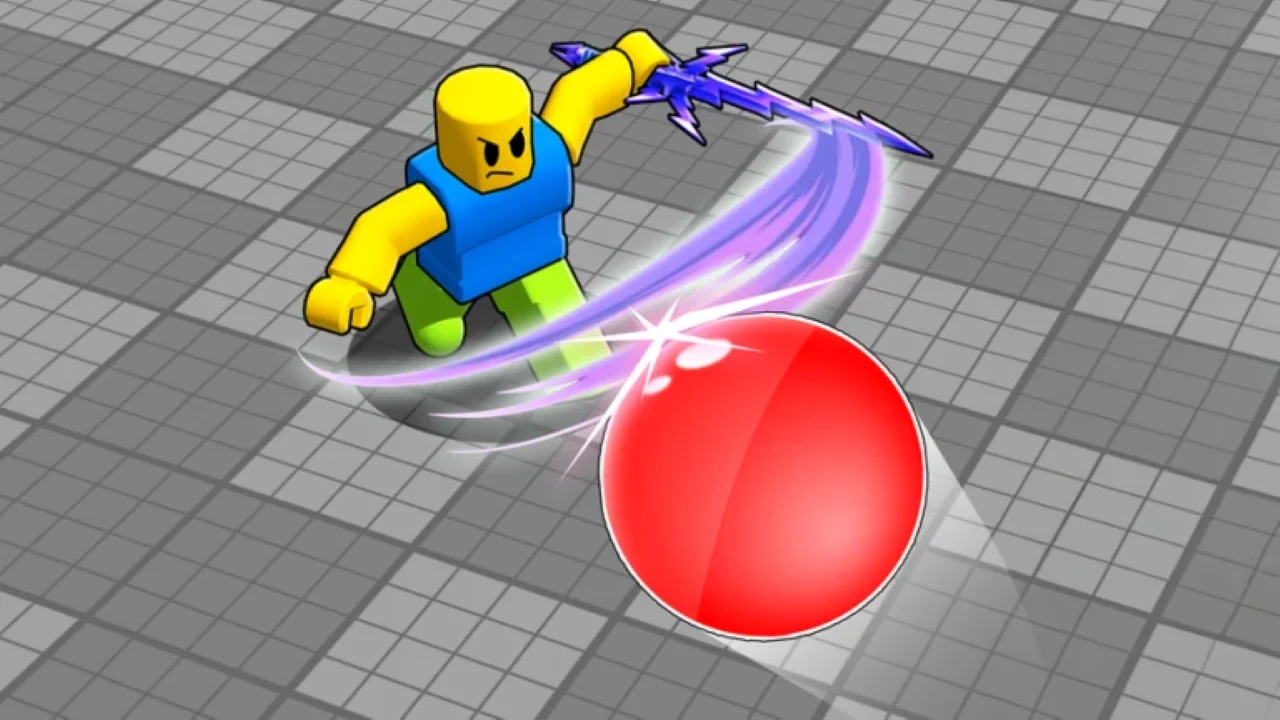
When someone swings into an incoming ball edge with flame effects trailing behind, your brain activates risk evaluation earlier. You flinch. You adjust spacing prematurely. That micro hesitation opens hit windows.
Environmental reactions often matter more than stat calculation. Death Ball rewards interruption timing. A confident visual presence reshapes that timing. That’s why veteran players frequently chase unique trails—they want psychological leverage.
How codes affect community rhythm
Death Ball isn’t just fights. It’s style comparison. People spawn into lobbies, visually scan participants, and engage based on perception.
Death Ball codes create synchronous outfitting waves. Players log in simultaneously. They purchase near the same minute. They equip immediately. Suddenly lobbies glow differently.
Players screenshot, comment, joke, challenge. Tiny micro-communities form.
When saving currency matters more than spending
It’s tempting to drain gems the moment a new visual update launches, but several strategic windows make saving smarter:
- when leaks show preview silhouettes
- when banner expiration countdown begins
- when Discord icons imply rarity cycles
- when events hint at seasonal boss cosmetics
New players often regret early purchases because tier-locked cosmetics arrive later with stronger animation variation.
Better rule: buy only if the effect still feels meaningful one day later. Impulse fades overnight. Satisfaction does not.
Why codes expire harshly
The expiration system prevents economic inflation. If codes never disappeared, new players could stack months-old currency and bypass initial progression completely. Developers maintain scarcity to avoid content irrelevance.
Scarcity generates action. Action generates play. Play generates communication. Communication sustains game exposure. Codes are less about generosity and more about controlled currency release.
The relationship between update cycles and code releases
Major updates produce these patterns:
Update introduction → patchnote interest spike → content trial phase → redemption surge → spending wave → social effect reinforcement.
Developers know exactly what moment feels satisfying. Codes appear when emotional spike is highest.
Where players usually discover fresh death ball codes
Logical discovery chains look like this:
- patch countdown teasers
- developer social messages
- server-wide news banners
- club membership notices
- Discord chat reveals
- players leaking screenshots
One announcement spreads. Ten redeemers multiply it. Hundreds redeem. Momentum forms.
FAQ
Do death ball codes always grant currency?
Usually yes, gem payout is standard.
Does verifying twice sometimes fix invalid claim?
Yes, especially when servers refresh mid-redeem.
Do private servers guarantee functioning codes?
Often yes, because their activation state is newer.
Can codes stack across several updates?
Only when developers intentionally keep earlier codes alive.
Is saving gems more beneficial than immediate spending?
Usually yes—future skins tend to carry higher satisfaction.
Does spending change gameplay success directly?
Not mechanically, but psychologically yes.
How long do codes typically stay valid?
Anywhere from hours to several days, rarely longer.
Final rhythm
Death Ball codes don’t make you stronger statistically. They make you grounded visually. And in Death Ball, visual grounding matters more than outsiders expect. Players don’t stay merely because gameplay is reactive and satisfying—they stay because they transform over time. Codes accelerate that transformation.
You could grind for days to afford animation flourish… or enter a code, get your gems, and immediately reshape your identity. Time saved becomes motivation gained. And once motivation happens, Death Ball becomes less like a quick session and more like personal style progression. That’s why death ball codes don’t just distribute currency—they distribute presence.